$995.00
Learning by Doing with Experts
Working with experienced criminalists, students will gain an understanding of the requirements for success in specialized forensic science disciplines. Evidence handling and real-world laboratory examinations offer a unique way to learn the subject matter and build analytical, collaboration, and reporting skills. The Applied Science Technologies Workshop: Specialized Applications is an opportunity to apply and test your understanding of what it means to work in an investigative laboratory.
Don’t just take our word for it, let’s hear from our hands-on Practicum graduates:
“Every skill learned in this opportunity is totally gonna give me a greater confidence at the moment of their usage.”
“[The instructors] explained complex scientific concepts clearly and were accessible for questions and clarification. Their professional experience added credibility and depth to the training.”
“[This course] opened my eyes to more that is out there in the world of forensics.”
“The course materials and practical exercises were essential for understanding how theoretical knowledge applies to forensic work.”
“This was an incredible weekend of material and education learned. I’m glad that I had the opportunity to participate in this program.”
Travel
The Workshop will be held in-person at our Largo, FL offices:
8285 Bryan Dairy Road, Suite 125, Largo FL 33777
All travel arrangements and expenses are the sole responsibility of the student. FIU will reserve a block of hotel rooms and notify enrolled students when they are available to book.
Course Dates
Friday-Sunday, June 19-21, 2026
Enrollment Deadline
May 29, 2026
3 in stock
Description
This 24-hour course is an experiential learning opportunity, introducing the real-world application of multiple scientific disciplines to investigations and the criminal justice system. The materials, techniques, and equipment presented are the same as those used every day at the local, state, and Federal levels. Our instructors have decades of experience working and testifying as forensic science experts. Their work has brought justice and closure to victims of crime.

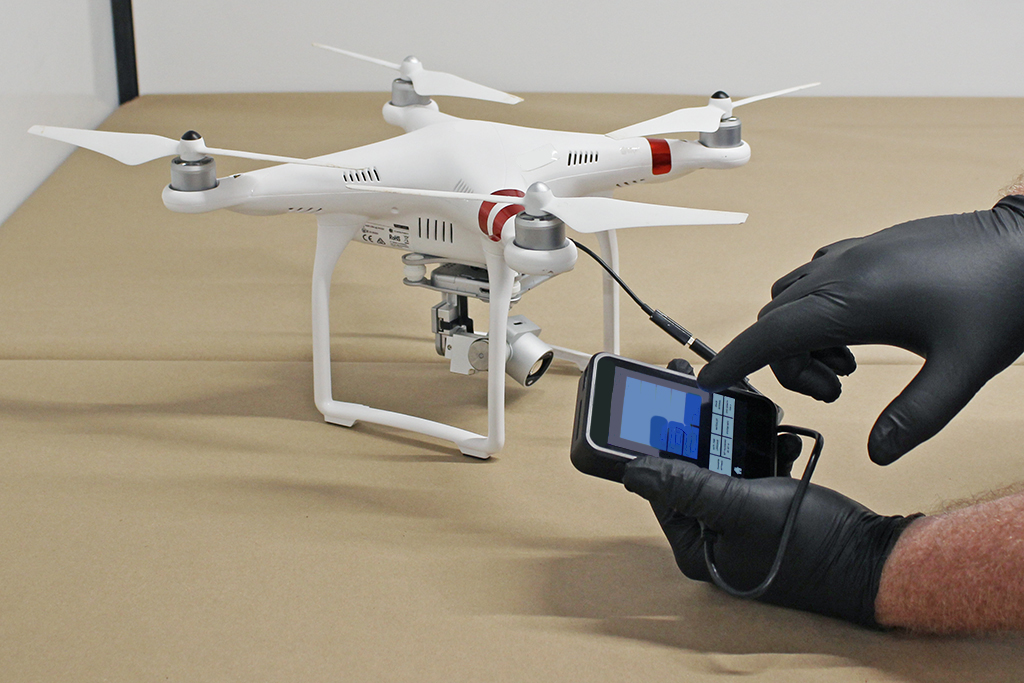
- Digital Forensics – Any piece of technology that processes information can be used in a criminal way which generates an electronic trail of information for an investigation team to recognize, seize and exploit.
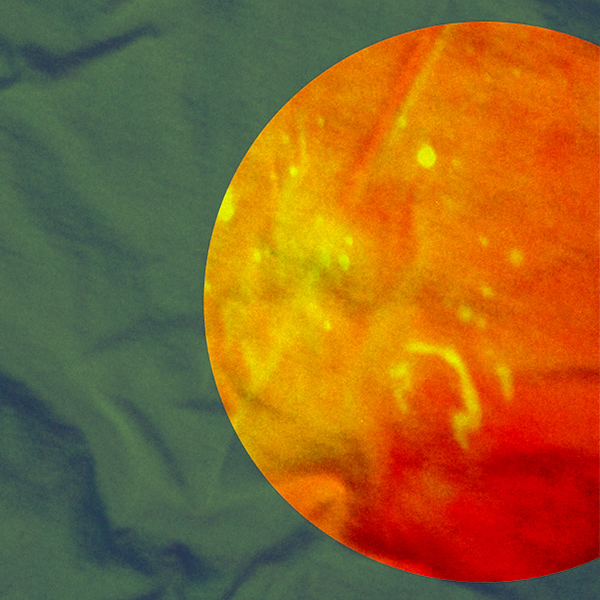
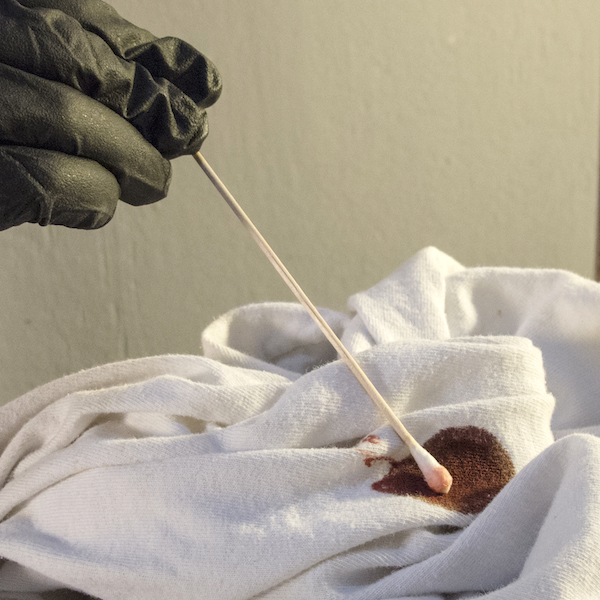
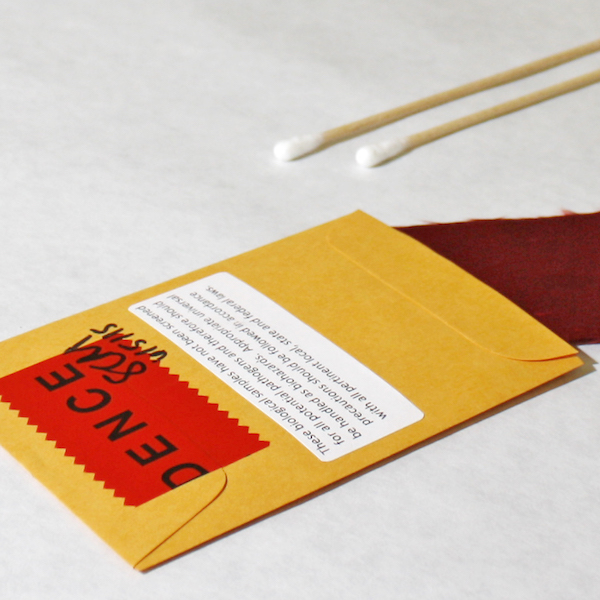
- Serology – All cells, except mature red blood cells, contain DNA, can be left behind at a crime scene, and can be examined to possibly link a person to the sample.
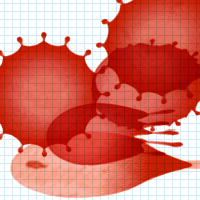
- Bloodstain Pattern Analysis – From what may appear to be a random distribution of bloodstains at a crime scene, analysts can categorize the stains by gathering information from spatter patterns, transfers, voids and other marks that assist investigators in recreating the sequence of events that occurred after bloodshed.
- Evidence Examination – The quality of the evidence and the manner in which it is handled can impact the ability of attorneys to argue the facts of the case and ultimately the jurors’ ability to come to conclusions regarding guilt or innocence.
3-Day Agenda
Day 1
8:00 AM Student Role-Call, Facility Security Brief, Introduction
8:15 AM Digital Forensics Lecture with Data HyD/Recuva Labs
9:15 AM Triage with Magnet Response/ADF
10:45 AM Imaging
12:00 PM Lunch
1:00 PM Cellphone Fundamental Lecture
2:00 PM SIM Extraction with XRY
3:00 PM Analysis with XAMN
4:30 PM Drone Extraction & Analysis with CFID
5:00 PM Class Dismissed
Day 2
8:00 AM Serology Introduction and Overview
8:15 AM Evidence Examination: Note Taking
9:00 AM Blood Testing with Hemascein, Kastle-Meyer, and Hematrace
10:00 AM Semen Testing with Alternate Light Sources, AP Testing, P30 Testing, and Microscopy
12:00 PM Lunch
1:00 PM Unknown Samples – Presumptive Testing for Blood and Semen
2:30 PM Mock Case with Evidence Handling, Note-Taking, Blood Testing, and Semen Testing
5:00 PM Class Dismissed
Day 3
8:00 AM Bloodstain Pattern Analysis Overview
8:15 AM Introduction to Bloodstain Pattern Analysis Principles
9:00 AM Bloodstain Pattern Identification and Interpretations
10:30 AM Analysis of Bloodstain Patterns on Scenes and Evidence
12:00 PM Lunch
1:00 PM Practical Lab Stations including Pattern Identification, Distance Variation Lab: Impact Splatter, Surface Variation Lab: Drip Stains, Visual Angle of Impact Differences, Time Since Deposition Comparison, and Spatter v. Transfer
3:00 PM Case Study
5:00 PM Class Dismissed
To schedule or build custom, hands-on training for your agency or team, please contact forensics@fiu.edu.
All sales subject to online course terms and conditions.
Related products
-
DNA Analyst Online Training
$995.00 Add to cart -
Introduction to Mobile Forensics
$1,495.00 Select options This product has multiple variants. The options may be chosen on the product page -

Network Forensics – Examination & Analysis
$1,495.00 Select options This product has multiple variants. The options may be chosen on the product page -
Biological Screening
$450.00 Add to cart